

Kalalaya College of Music and Fine Arts
Faculty and Departments

Faculty of Indian Music
overview
A Faculty of Indian Music is an academic department dedicated to the study, preservation, and propagation of India's rich musical heritage. It offers comprehensive training and research opportunities in the diverse realms of Indian classical and folk music.Immerse yourself in the rich tapestry of Indian music at our Faculty of Indian Music. We offer a vibrant learning environment dedicated to the preservation, exploration, and performance of this ancient and diverse art form."Kalalaya College of Music and Fine Arts" is the institutional brand identity used for communication and promotional purposes. The official affiliated name with Tamil Nadu Dr. J. Jayalalithaa Music and Fine Arts University is "Kalalaya Centre for Performing Arts and Cultural Studies".
Core Focus Areas
Carnatic Classical Music: Delving into the complexities of South Indian classical music, encompassing vocal, instrumental, and theoretical domains
Hindustani Classical Music: Exploring the intricacies of North Indian classical music, including vocal, instrumental, and theoretical aspects.
Indian Folk Music: Studying the diverse folk music traditions from different regions of India, including their history, performance practices, and social context.
Music Theory and Musicology: Analyzing the theoretical foundations of Indian music, exploring its historical evolution, and conducting musicological research.
Music Performance: Providing practical training in vocal and instrumental performance, emphasizing technique, artistry, and interpretation.
Curriculum and Pedagogy
Core Subjects: Music theory, history of Indian music, vocal and instrumental techniques, raga and tala systems, and performance practices.
Specialized Courses: Advanced studies in specific genres, instruments, or vocal styles.
Practical Training: Intensive vocal and instrumental training under the guidance of renowned musicians.
Performance Opportunities: Regular concerts, recitals, and music festivals to showcase student talent.
Goals and Objectives
The primary objectives of a Faculty of Indian Music are to:
- Preserve and Promote: Safeguard the rich tapestry of Indian music through teaching, research, and performance.
- Create Skilled Musicians: Develop proficient musicians capable of carrying forward the musical traditions.
- Foster Music Appreciation: Cultivate a deep appreciation for Indian music among students and the wider community.
- Contribute to Research: Conduct scholarly research to enrich the understanding of Indian music.
By offering a comprehensive education in Indian music, a Faculty aims to produce well-rounded musicians and scholars who can contribute significantly to the field and society
Mission
- To nurture a deep appreciation for the history, theory, and practice of Indian music.
- To cultivate exceptional musicianship through rigorous training and performance opportunities.
- To provide a platform for research and innovation in the field of Indian music.
- To foster a sense of community among students, faculty, and music enthusiasts.
Our esteemed faculty comprises renowned musicians, scholars, and educators, each specializing in different aspects of Indian music. They are dedicated to guiding and inspiring your musical journey. Whether you are a seasoned musician or a curious beginner, the Department of Indian Music welcomes you to embark on a transformative exploration of this timeless art form.
10
Number of
Programmes
100
Experienced
Teachers

Vocal (Canrnatic)

Veena

Violin

Mridangam

Faculty of Indian Dance
overview
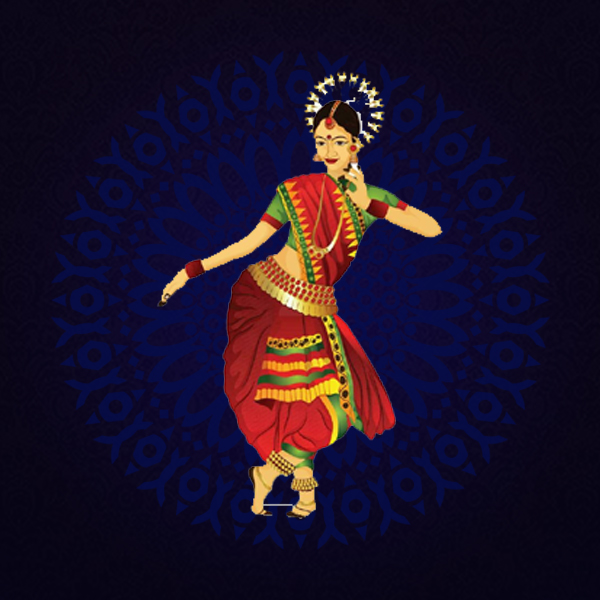
A Faculty of Indian Classical Dance is an academic department dedicated to the preservation, study, and propagation of India's rich classical dance traditions. It offers comprehensive training and research opportunities in the diverse forms of Indian classical dance. The Faculty of Classical Dance offers a comprehensive program in the theory and practice of Indian classical dance forms. Our curriculum covers a range of styles, including Bharatanatyam, Kathak, Odissi, Kuchipudi, Kathakali, Sattriya, Manipuri, and Mohiniyattam.Students will gain a deep understanding of the historical, cultural, and theoretical foundations of these dance traditions. They will receive intensive training in technique, choreography, music, and performance. The department also provides opportunities for students to participate in workshops, masterclasses, and productions."Kalalaya College of Music and Fine Arts" is the institutional brand identity used for communication and promotional purposes. The official affiliated name with Tamil Nadu Dr. J. Jayalalithaa Music and Fine Arts University is "Kalalaya Centre for Performing Arts and Cultural Studies".
Core Focus Areas
Bharatanatyam: This South Indian dance form is known for its intricate footwork, expressive hand gestures (mudras), and graceful postures.
Kuchipudi: Originating from Andhra Pradesh, Kuchipudi combines dance, music, and drama.
Mohiniyattam: SA graceful dance form from Kerala, Mohiniyattam is characterized by its fluid movements and feminine charm.
Kathak:Originating from North India, Kathak is characterized by its rhythmic footwork, spins, and storytelling through expressions.
Odissi: This dance form, originating from Odisha, emphasizes grace, lyricism, and spiritual devotion.
Manipuri: Known for its soft and lyrical movements, Manipuri dance reflects the serene beauty of Manipur.
Curriculum and Pedagogy
A typical curriculum in a Faculty of Indian Classical Dance includes:
Core Subjects: Dance theory, history of Indian dance, basic postures, mudras, and rhythmic training.
Specialized Courses: Advanced techniques, repertoire building, choreography, and costume design.
Music and Rhythm: Training in accompanying music, percussion instruments, and rhythmic patterns.
Dance History and Aesthetics: Understanding the cultural and philosophical underpinnings of dance.
Practical Training: Intensive dance training under the guidance of renowned gurus.
Performance Opportunities: Regular dance performances to showcase students' talent.
Goals and Objectives
The primary objectives of a Faculty of Indian Dance are to:
- Preserve and Promote: Safeguard the rich heritage of Indian classical dance through teaching, research, and performance.
- Create Skilled Dancers: Develop accomplished dancers capable of carrying forward the dance traditions.
- Foster Dance Appreciation: Cultivate a deep appreciation for Indian classical dance among students and the wider community.
- Contribute to Research: Conduct scholarly research to enhance the understanding of Indian dance.
By offering a comprehensive education in Indian classical dance, a faculty aims to produce well-rounded dancers and scholars who can significantly contribute to the field and society.
Mission
- To preserve and promote the rich heritage of Indian classical dance.
- To provide students with a rigorous and nurturing learning environment.
- To train the next generation of classical dancers, scholars, and educators.
- To foster intercultural understanding and appreciation for classical dance forms.
10
Number of
Programmes
100
Experienced
Teachers
Bharathanatyam
Mohiniyattam
Kuchipudi
Kathak
odissi
Faculty of Visual Arts
overview
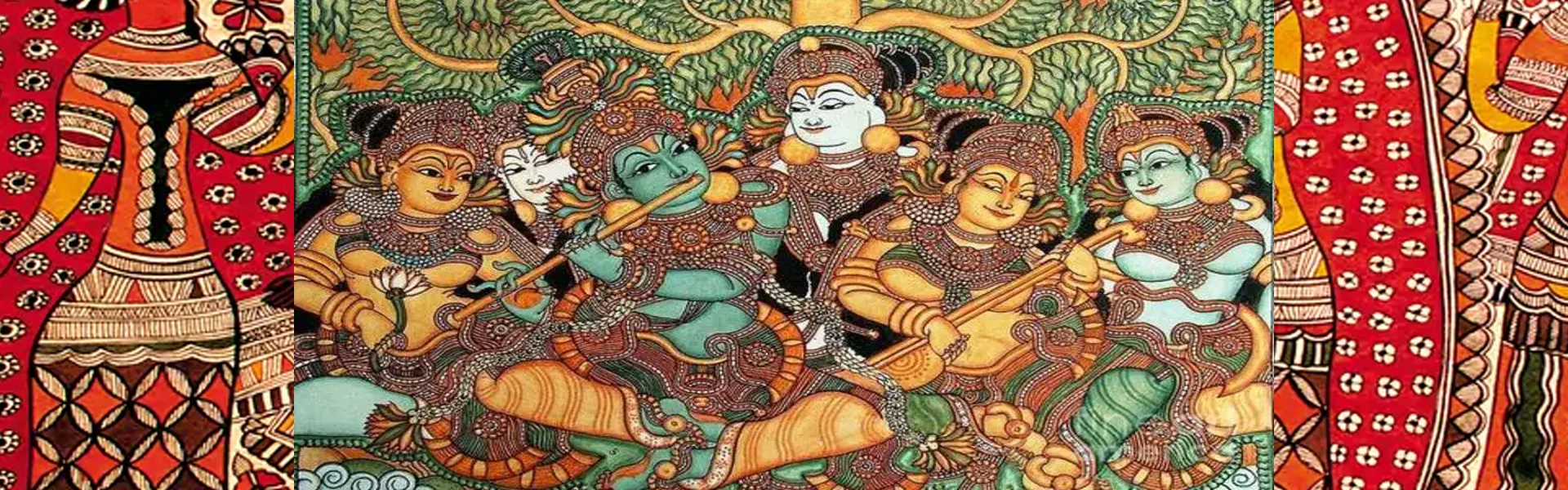
A Faculty of Indian Visual Arts is an academic Faculty dedicated to the study, preservation, and promotion of India's rich visual art heritage. It offers comprehensive training and research opportunities in the diverse fields of Indian art, encompassing both traditional and contemporary forms. Unveil the captivating world of Indian art at the Faculty of Indian Visual Arts! We offer a comprehensive program that explores the rich heritage and contemporary expressions of visual art in India. "Kalalaya College of Music and Fine Arts" is the institutional brand identity used for communication and promotional purposes. The official affiliated name with Tamil Nadu Dr. J. Jayalalithaa Music and Fine Arts University is "Kalalaya Centre for Performing Arts and Cultural Studies".
Core Focus Areas
Traditional Indian Art
Painting: Miniature, Mughal, Rajput, and other regional styles
Sculpture: Stone, metal, and wood carvings
Architecture: Temples, forts, and palaces
Textile Arts: Weaving, embroidery, and dyeing
Contemporary Indian Artt: Analyzing and understanding the evolution of Indian art in the modern and contemporary era, including:
Painting: Modernist, contemporary, and experimental styles.
Sculpture: Installation, kinetic, and conceptual art.
Printmaking: Etching, lithography, and screen printing
Photography: Documentary, fine art, and digital photography
Art History and Theory: Studying the historical and theoretical frameworks of Indian art, including:
Art criticism and analysis
Art and culture
Art and society
Art Practice: Providing hands-on training in various art forms and media, emphasizing technical skills and creative expression.
Curriculum and Pedagogy
A typical curriculum in a Faculty of Indian Visual Arts includes:
Core Subjects: Art history, art theory, drawing, painting, sculpture, and design fundamentals.
Specialized Courses: In-depth study of specific art forms, periods, or techniques.
Research Methodology: Training in research methods for art-related studies.
Practical TrainingIntensive studio practice and experimentation with different media.
Exhibition Opportunities: Curating and organizing exhibitions to showcase student work.
Goals and Objectives
The primary objectives of a Faculty of Indian Music are to:
- Preserve and Promote: Safeguard the rich heritage of Indian visual art through teaching, research, and exhibitions.
- Create Skilled Artists: Cultivate a deep appreciation for Indian art among students and the wider community.
- Foster Art Appreciation: Develop accomplished artists with a strong foundation in Indian art and contemporary practice.
- Contribute to Research: Conduct scholarly research to enhance the understanding of Indian art.
By offering a comprehensive education in Indian music, a Faculty aims to produce well-rounded musicians and scholars who can contribute significantly to the field and society. Our dFaculty boasts a distinguished faculty of accomplished artists, scholars, and educators with expertise in diverse areas of Indian visual arts. They are passionate about mentoring and empowering students to discover their artistic voice.Join the Department of Indian Visual Arts and embark on a captivating journey through the timeless legacy and dynamic future of Indian art!
Mission
- To cultivate a profound appreciation for the diverse traditions and techniques of Indian visual arts.
- To equip students with the knowledge, skills, and critical thinking to excel in artistic practice and visual analysis.
- To foster a vibrant community of artists, scholars, and art enthusiasts who engage with the evolving landscape of Indian visual arts.
- To bridge the gap between the historical and contemporary, nurturing future generations of artists and art professionals.
By offering a comprehensive education in Indian visual arts, a faculty aims to produce well-rounded artists and art professionals who can significantly contribute to the field and society.
10
Number of
Programmes
100
Experienced
Teachers
Drawing
Painting
Sculpture
Faculty of Indian Theatre Arts
overview
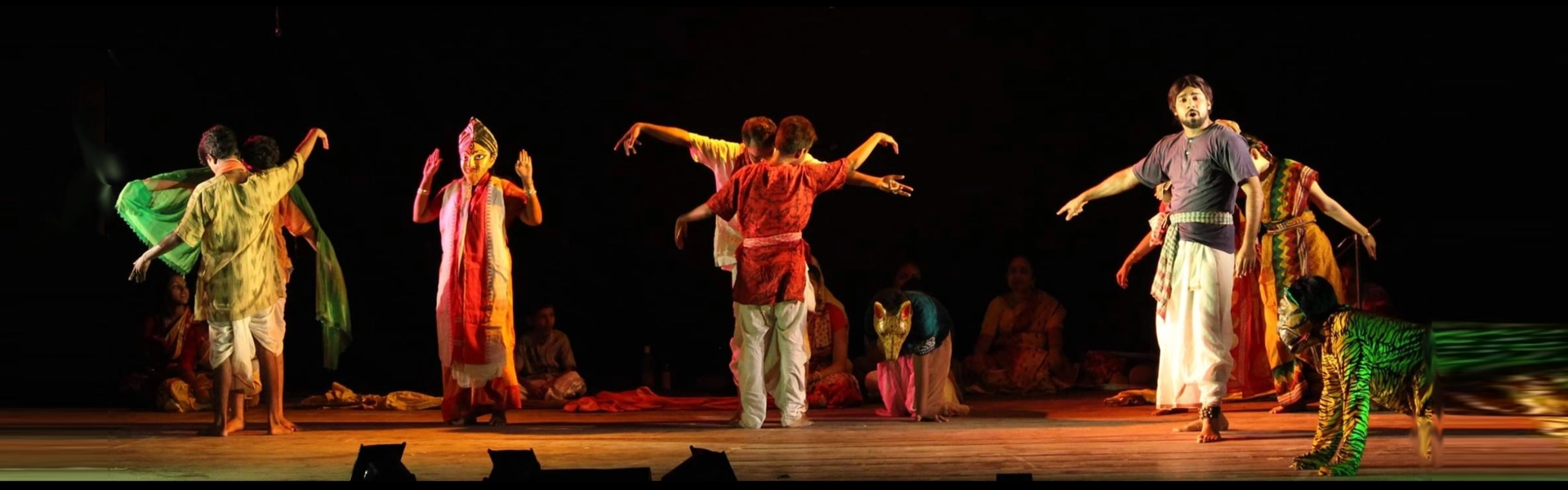
A Faculty of Indian Theatre Arts is an academic faculty dedicated to the study, preservation, and promotion of India's rich theatrical heritage. It offers comprehensive training and research opportunities in the diverse realms of Indian theatre, encompassing both traditional and contemporary forms. Step into the captivating world of Indian theatre at the Faculty of Indian Theatre Arts! We offer a dynamic program that explores the rich heritage and contemporary practices of this multifaceted art form. "Kalalaya College of Music and Fine Arts" is the institutional brand identity used for communication and promotional purposes. The official affiliated name with Tamil Nadu Dr. J. Jayalalithaa Music and Fine Arts University is "Kalalaya Centre for Performing Arts and Cultural Studies".
Core Focus Areas
Traditional Indian Theatre: Exploring the history, aesthetics, and performance practices of classical Indian theatre forms, including:
Sanskrit Theatre: Based on the Natya Shastra, exploring plays, acting, music, and dance.
Folk Theatre: Studying various regional folk theatre forms, their social and cultural significance.
Puppetry: Examining different puppetry traditions, their techniques, and storytelling.
Contemporary Indian Theatre: Analyzing and understanding the evolution of Indian theatre in the modern and contemporary era, including:
Experimental Theatre: Exploring innovative and experimental theatrical forms.
Playwriting: Developing scriptwriting skills and understanding dramatic structure.
Directing: Learning the art of directing plays and managing theatrical productions.
Acting: Training in acting techniques, character development, and performance.
Theatre History and Theory:: Studying the historical and theoretical frameworks of Indian theatre, including:
Theatre criticism and analysis
Theatre and society
Performance studie
Theatre Practice: Providing hands-on training in various aspects of theatre production, including:
Acting, directing, playwriting, set design, costume design, lighting design, and stage management.
Curriculum and Pedagogy
A typical curriculum in a Faculty of Indian Theatre Arts includes:
Core Subjects: Theatre history, theatre theory, acting, directing, playwriting, and stagecraft.
Specialized Courses: In-depth study of specific theatre forms, periods, or techniques.
Research Methodology: Training in research methods for theatre-related studies.
Practical Training: Intensive theatre production and performance experience.
Performance Opportunities: Producing plays and other theatrical performances.
Goals and Objectives
The primary objectives of a Faculty of Indian theatre are to:
- Preserve and Promote: Safeguard the rich heritage of Indian theatre through teaching, research, and performances.
- Create Skilled theatre Artists: Develop accomplished theatre practitioners with a strong foundation in Indian theatre and contemporary practice.
- Foster Theatre Appreciation: Cultivate a deep appreciation for Indian theatre among students and the wider community.
- Contribute to Research: Conduct scholarly research to enhance the understanding of Indian theatre.
By offering a comprehensive education in Indian theatre arts, a faculty aims to produce well-rounded theatre artists and professionals who can significantly contribute to the field and society
Mission
- To preserve and promote the vibrant traditions of Indian theatre in all its diversity.
- To provide a rigorous and nurturing environment for students to develop their artistic talents and academic knowledge.
- To train the next generation of actors, directors, playwrights, theatre designers, and practitioners who will shape the future of Indian theatre.
- To foster intercultural understanding and appreciation for the unique power of Indian theatrical storytelling.
By offering a comprehensive education in Indian visual arts, a faculty aims to produce well-rounded artists and art professionals who can significantly contribute to the field and society. Our department is led by a team of accomplished theatre directors, actors, playwrights, designers, and scholars, each with a deep understanding of Indian theatre. They are dedicated to providing you with personalized guidance and mentorship to help you achieve your artistic goals.Whether you dream of performing on the stage, shaping theatrical productions behind the scenes, or delving into the scholarly study of Indian theatre, the Department of Indian Theatre Arts offers the perfect platform to ignite your passion and make your mark on this vibrant art form.
10
Number of
Programmes
100
Experienced
Teachers
Tamil Drama
Sanskrit Drama
Therukoothu

Opening
Monday - Saturday
09AM - 06PM
Sunday
10AM - 05PM